


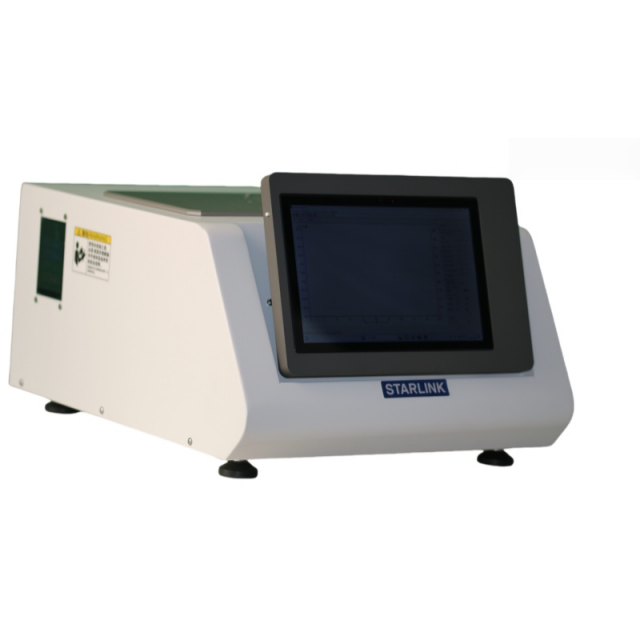
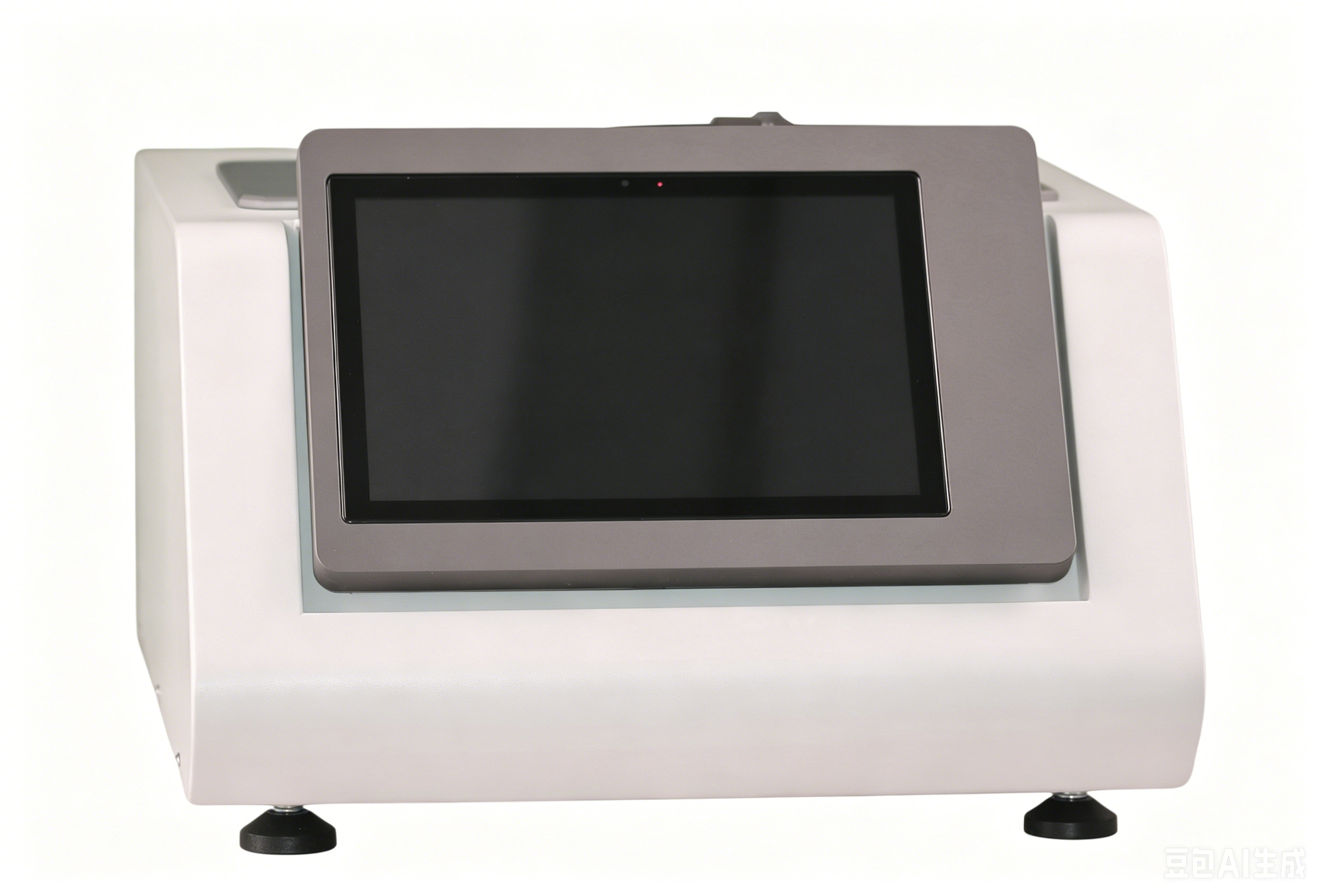
Differential Scanning Calorimetry
Model: SL-DSC610
DSC range: 0~±600mW
DSC resolution: 0.01mW
Temperature resolution: 0.01℃
Temperature range: RT - 500℃
Heating rate: 0.1~100℃/min
Stantards: GB/T 19466.2,GB/T 19466.3,GB/T 19466.6,ISO 11357-2,ISO 11357-3,ISO 11357-6
Applications: Pipe factory outgoing inspection, scientific research, production R&D, teaching and training,
third-party testing centers
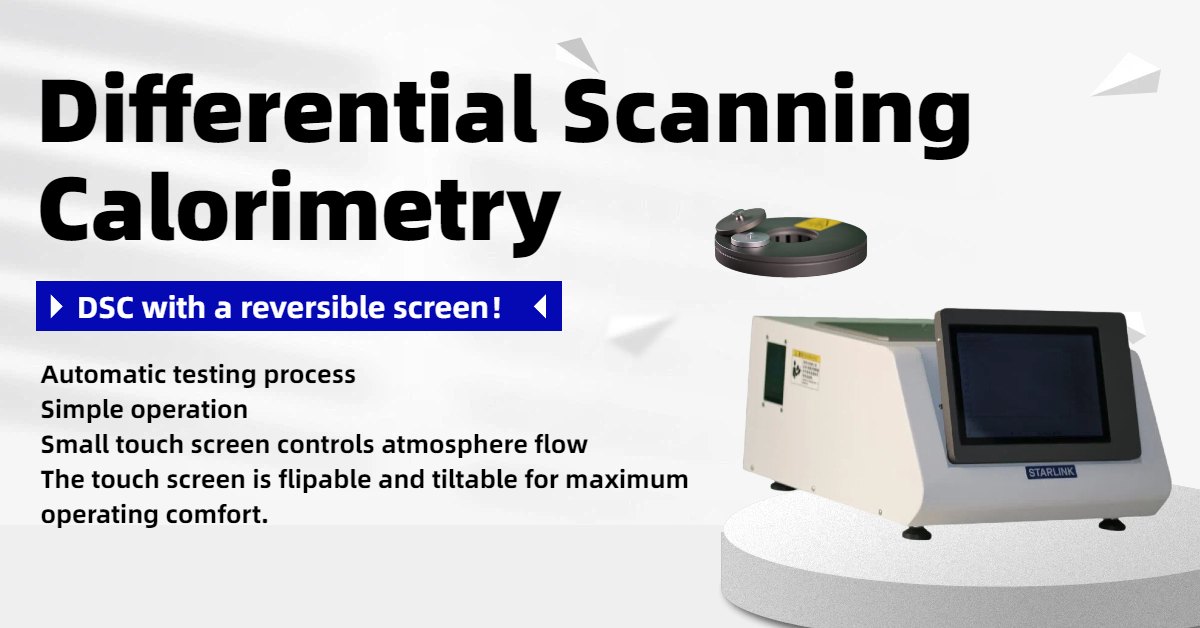
FAQ– Differential Scanning Calorimeter (DSC)
Q: What is a differential scanning calorimeter (DSC) used for?
A: A DSC measures the heat flow difference between a sample and a reference material as a
function of temperature. It detects thermal events such as glass transition (Tg), melting,
crystallization, curing, and oxidation — making it essential for material identification, quality
control, and R&D of polymers and plastics.
Q: What standards apply to DSC testing for plastics?
A: ISO 11357 is the primary standard series for DSC testing of plastics, covering general principles
(Part 1), glass transition temperature (Part 2), melting and crystallization temperature (Part 3), and
oxidation induction time (Part 6). ASTM E967 and E968 cover DSC temperature and enthalpy calibration.
For pipe materials, ISO 11357-6 (OIT) is particularly relevant.
Q: What is OIT and why is it important for pipe materials?
A: OIT (Oxidation Induction Time) measures how long a material resists oxidative degradation at a
specified temperature. For PE and PP pipes used in hot water and gas distribution, OIT is a mandatory
quality indicator — it directly reflects the material's long-term stability and antioxidant effectiveness.
A minimum OIT value is typically required by product standards such as ISO 15876 and ISO 22391.
Q: What sample forms can be tested with DSC?
A: DSC can test solids, films, powders. For plastics, samples are typically cut into thin slices (3–10 mg)
from pellets, pipe wall sections, or sheet material. The sample should have good thermal contact with
the pan bottom — flat pieces or finely cut fragments work best.
Q: What temperature range do I need for plastic testing?
A: Most thermoplastic testing falls within -50°C to 350°C. For PE and PP, a range of -50°C to 300°C covers Tg,
melting, and OIT. For high-temperature engineering plastics like PEEK or PPS, you may need up to 450°C.
If you test pipe materials with OIT requirements, ensure your DSC supports isothermal holds at 200–220°C.
Q: How much sample is needed per test?
A: Typically 3–10 mg. Smaller samples heat more uniformly and give sharper peaks, but too little sample
reduces signal strength. For OIT testing of pipe materials, 5–10 mg is standard per ISO 11357-6.
Q: What calibration is required?
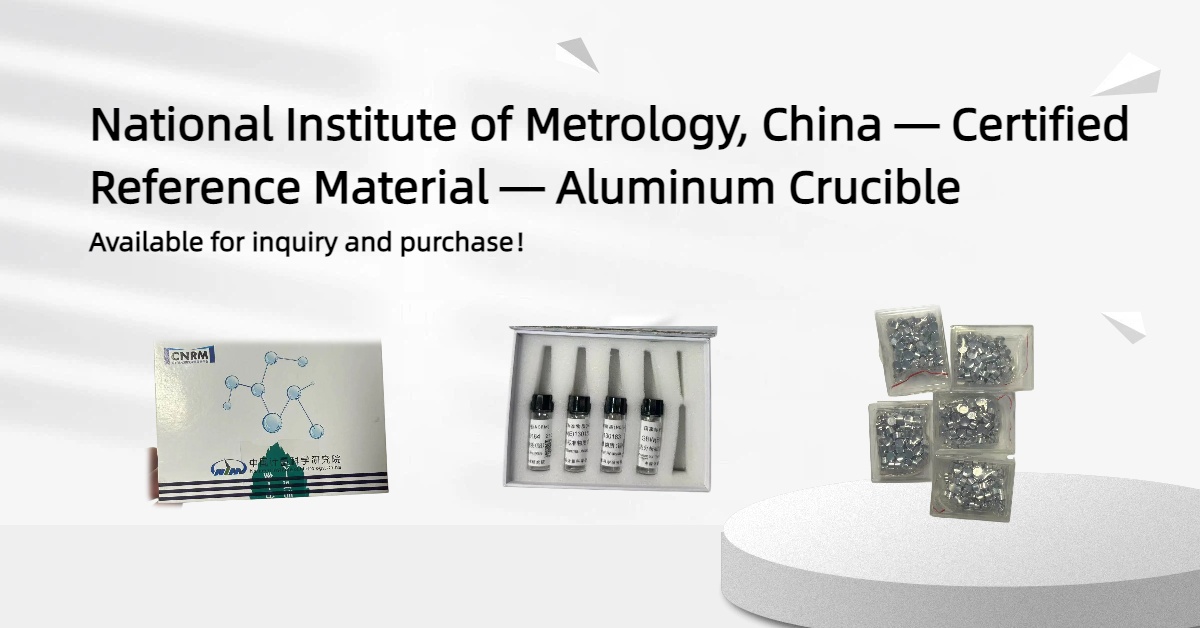
A: Temperature calibration uses certified reference materials (indium, tin, lead, zinc) with known melting points.
Enthalpy calibration uses indium's known heat of fusion (28.45 J/g). Calibration should be performed at the same
heating rate used for testing. We recommend recalibration every 6 months or when changing temperature range.
| Lead time | Certificate | Customization Options | MOQ |
| Within 15 working days | CE | No | 1 unit |
Packing Information:
Quantity: 1
Dimensions/Gross weight :560x 500 x 500mm/25kg
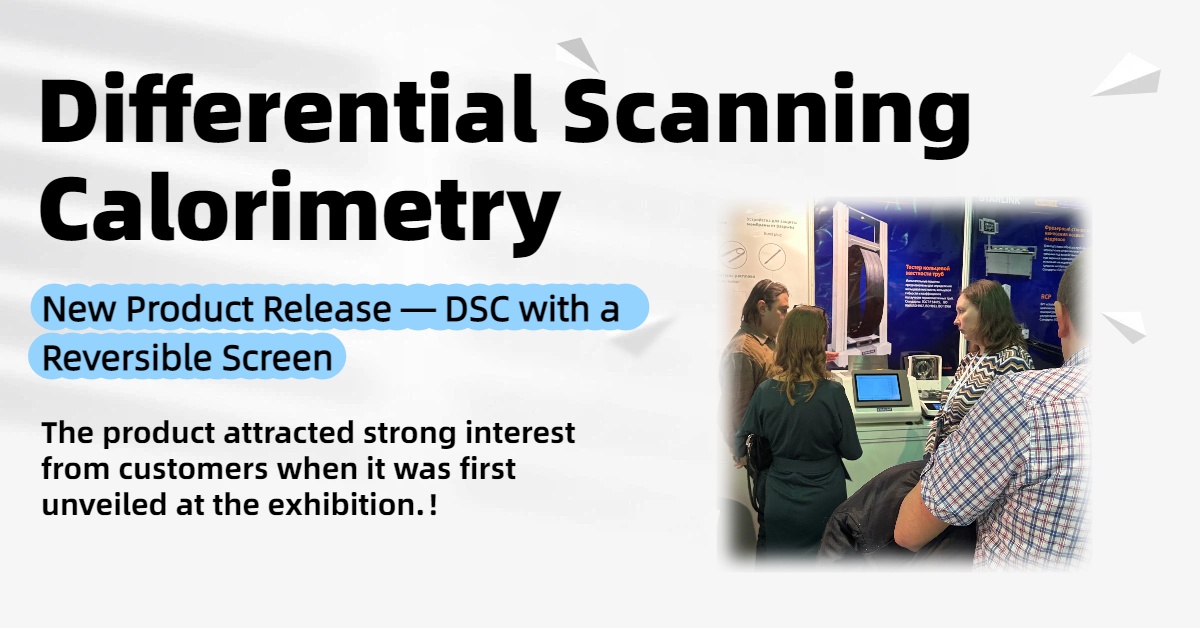
Product Inquiry